Place · Beed, Maharashtra, India
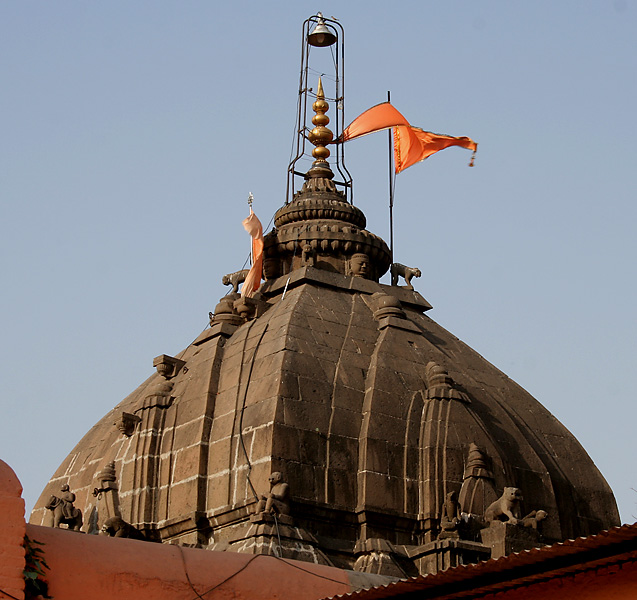
Shri Vaijnath Temple
परल्यां वैद्यनाथं
The kathas of Shri Vaijnath Temple: Scripture, Folk legend, Devta tradition — 3 stories cited to the Puranas, epics, recorded history and living tradition. The place is in Beed, Maharashtra, India. KathaYatra keeps them here in Hindi and English, free to read.
- State
- Maharashtra
- District
- Beed
- Altitude
- 488 m · 1,601 ft
- Coordinates
- 18.843°N, 76.535°E
Scripture 1
शास्त्रParli Vaijnath — The Lord Who Healed the Demon King
परल्यां वैद्यनाथं — वह प्रभु जिसने असुर राजा को स्वस्थ किया
puranic (Treta Yuga setting)
Ravana was never a small man in his own mind, and one day his pride grew large enough to reach for a mountain. He came to Kailasa and, wanting to carry Shiva's own home to Lanka as a trophy, he wedged his twenty arms beneath it and began to lift.
The mountain barely stirred. Shiva, amused more than alarmed, pressed down with a single toe — and the weight that returned through the rock crushed Ravana's arms beneath it, pinning him in agony for what tradition says was years, not moments. Most demons would have cursed and struggled. Ravana, whatever his faults, was also a devotee of extraordinary power, and instead he composed hymns — verses of such raw praise that they are sung to this day as the Shiva Tandava Stotra, born from a demon's pain and a devotee's love arriving in the same breath.
Shiva was moved. He released the mountain's weight, healed Ravana's shattered arms completely, and in that act of mending earned a name he had not carried before: Vaidyanatha, the Lord who is Physician. Pleased further by Ravana's devotion, Shiva agreed to travel with him toward Lanka in the form of a linga — on the one condition that it never touch the ground before arrival. Tradition holds that the condition was broken on the way, and where the linga came to rest, it rooted itself into the earth and would not be moved again. At Parli, this is remembered as that ground — the ground where a physician-god first healed, then stayed.
— as told in the Shiva Purana tradition, as kept at Parli
पढ़ें हिन्दी में
रावण अपनी ही दृष्टि में कभी छोटा नहीं था, और एक दिन उसका अभिमान इतना बढ़ गया कि उसने एक पर्वत को ही उठाने की ठानी। कैलाश पहुँचकर, शिव के इस निवास को ट्रॉफी की तरह लंका ले जाने की इच्छा से, उसने अपनी बीस भुजाएँ पर्वत के नीचे धँसाईं और उठाने लगा।
पर्वत हिला तक नहीं। शिव, भयभीत होने के बजाय मुस्कुराए और मात्र अपने पैर के अंगूठे से हल्का सा दबाव डाला — पत्थर से लौटा वह भार रावण की भुजाओं को कुचल गया, उसे वहीं जकड़ लिया, वर्षों तक, ऐसा परंपरा कहती है, क्षणों तक नहीं। अधिकांश असुर श्राप देते, संघर्ष करते। रावण, अपने सारे दोषों के बावजूद, असाधारण शक्ति का भक्त भी था — उसने इसके बजाय स्तुतियाँ रचीं, इतनी सच्ची कि आज भी शिव तांडव स्तोत्र के रूप में गाई जाती हैं, एक असुर की पीड़ा और एक भक्त के प्रेम से एक साथ जन्मी।
शिव द्रवित हुए। उन्होंने पर्वत का भार हटाया, रावण की चूर भुजाओं को पूर्णतः ठीक कर दिया, और इस उपचार से उन्होंने एक नया नाम पाया — वैद्यनाथ, वैद्य-रूप स्वामी। रावण की भक्ति से और प्रसन्न होकर शिव ने लिंग रूप में उसके साथ लंका की ओर चलने की सहमति दी — केवल इस शर्त पर कि मार्ग में लिंग भूमि को स्पर्श न करे। परंपरा कहती है कि यह शर्त मार्ग में भंग हो गई, और जहाँ लिंग टिका, वहीं वह भूमि में समा गया और फिर कभी नहीं हिला। परली में यही वह भूमि मानी जाती है — जहाँ वैद्य-स्वरूप देव ने पहले उपचार किया, फिर वहीं ठहर गए।
— शिव पुराण परंपरा के अनुसार, जैसा परली में स्मरण किया जाता है
Sources
- Shiva Purana, Kotirudra Samhita — Vaidyanatha jyotirlinga episode
- Skanda Purana, Ravana-Kailasa episode
- Note: both Parli (Maharashtra) and Deoghar (Jharkhand) traditions identify their shrine as the Vaidyanatha jyotirlinga — recorded here as told at Parli
Folk legend 1
लोक-कथाShri Vaijnath Temple, Parli — The Wedding That Never Reached the Mandap
परल्यां वैद्यनाथं — वह विवाह जो मंडप तक कभी न पहुँचा
local legend, told alongside the Ravana sthala-purana and the Samudra Manthan tradition already recorded for this shrine
Parli already holds two tellings of how Vaidyanath came to heal — Ravana's crushed arms under Kailasa, and, in an older telling kept alongside it, the poison Shiva swallowed at the churning of the ocean. A third story belongs not to the god's healing but to a wedding that was never finished.
In Ambajogai, some twenty-six kilometres from Parli, stands the shrine of the goddess Yogeshwari. Local memory holds that she was to be married to Vaidyanath himself, and that on the appointed day her wedding party — the baraat, dressed and ready, carrying whatever a divine wedding carries — set out for Parli to make the union. The distance was not so very great. But the auspicious hour, the muhurat that a wedding cannot be moved past without losing its meaning, arrived and passed while the procession was still on the road. It is said that everyone travelling in that baraat, having missed the one moment that would have made the marriage whole, turned to stone exactly where they stood.
Villagers along the old route between Ambajogai and Parli still point to weathered stone figures and say this is why they stand there — not ruin, not erosion, but a wedding party still, in a sense, on its way. Yogeshwari and Vaidyanath are still worshipped as a divine pair by many in this region, a marriage tradition still spoken of, even though the story insists the marriage itself was never quite completed.
— as locally told between Ambajogai and Parli
पढ़ें हिन्दी में
परली पहले से ही वैद्यनाथ के उपचारक बनने की दो कथाएँ सँजोए है — कैलाश के नीचे कुचली रावण की भुजाएँ, और, इसके साथ रखी एक पुरानी कथा में, समुद्र-मंथन में शिव द्वारा पिया गया विष। एक तीसरी कथा भगवान के उपचार की नहीं, बल्कि एक ऐसे विवाह की है जो कभी पूरा नहीं हुआ।
अंबाजोगाई में, परली से लगभग छब्बीस किलोमीटर दूर, देवी योगेश्वरी का मंदिर है। स्थानीय स्मृति कहती है कि उनका विवाह स्वयं वैद्यनाथ से होना था, और नियत दिन उनकी बारात — सजी-धजी, तैयार, वह सब लिए हुए जो एक दिव्य विवाह में साथ चलता है — परली के लिए निकली। दूरी बहुत अधिक न थी। पर वह शुभ मुहूर्त, जिसके बिना विवाह अपना अर्थ खो देता है, बारात के मार्ग में ही होते-होते बीत गया। कहा जाता है कि उस बारात में चलने वाला हर व्यक्ति, उस एक क्षण को चूककर जो विवाह को पूर्ण बना सकता था, ठीक वहीं पत्थर बन गया जहाँ वह खड़ा था।
अंबाजोगाई और परली के बीच पुराने मार्ग पर आज भी ग्रामवासी घिसे हुए पाषाण-आकृतियों की ओर इशारा करते हुए कहते हैं कि वे इसीलिए वहाँ खड़ी हैं — कोई खंडहर नहीं, कोई क्षरण नहीं, बल्कि एक बारात जो एक अर्थ में आज भी मार्ग में है। इस क्षेत्र में अनेक लोग योगेश्वरी और वैद्यनाथ को आज भी दिव्य युगल मानकर पूजते हैं, एक विवाह-परंपरा जिसकी चर्चा आज भी होती है, यद्यपि कथा यही कहती है कि विवाह स्वयं कभी पूर्ण नहीं हो सका।
— अंबाजोगाई और परली के बीच की स्थानीय कथा के अनुसार
Sources
- Local legend of Yogeshwari of Ambajogai's wedding procession to Vaidyanath of Parli, and the baraat turning to stone after the auspicious hour passed
Devta tradition 1
देवता-परंपराShri Vaijnath Temple, Parli — The Poison That Named a Physician
परल्यां वैद्यनाथं — वह विष जिसने एक वैद्य को नाम दिया
puranic (Samudra Manthan setting, told as older than the Ravana episode)
The story everyone knows about Parli is Ravana's — crushed arms under Kailasa, healed by the Lord who then took the name Vaidyanatha, Physician. Locally, another telling is kept alongside it, said to reach back further still.
When gods and demons churned the ocean of milk for amrita, tradition says the first thing to rise was not nectar but Halahala — a poison strong enough to unmake all three worlds. Shiva swallowed it to save creation, holding it in his throat rather than letting it pass further, and the same devas who had feared for the world now feared for him. It is said they came to this ground and installed a linga here in gratitude — the Lord's first act of healing, this telling holds, long before Ravana ever reached Kailasa.
Perhaps in memory of that, Parli keeps a custom found at no other Jyotirlinga: tulsi, ordinarily kept for Vishnu, is offered here to Shiva, and bilva, ordinarily Shiva's own leaf, is offered to Vishnu — as though the temple still remembers a moment when healer and healed were nearly impossible to tell apart. Pilgrims here may also touch the linga directly, without the raised platform most other shrines require.
— as kept in local temple custom at Parli, alongside the Ravana sthala legend
पढ़ें हिन्दी में
परली की सबसे जानी-मानी कथा रावण की है — कैलाश के नीचे कुचली भुजाएँ, और उपचार के बाद वैद्यनाथ नाम। स्थानीय रूप से इसके साथ एक और कथा भी सँभाली जाती है, जो इससे भी पुरानी मानी जाती है।
जब देवताओं और असुरों ने अमृत के लिए क्षीरसागर मंथन किया, परंपरा कहती है कि सबसे पहले अमृत नहीं, हलाहल विष निकला — इतना प्रबल कि तीनों लोकों को मिटा सकता था। शिव ने सृष्टि बचाने को वह विष पी लिया, उसे कंठ में ही रोक लिया, आगे न जाने दिया — और जो देवता अभी तक संसार के लिए भयभीत थे, अब स्वयं शिव के लिए भयभीत हुए। कहते हैं वे इसी भूमि पर आए और कृतज्ञता में यहाँ एक लिंग स्थापित किया — इस कथा के अनुसार, रावण के कैलाश पहुँचने से बहुत पहले, भगवान का यह पहला उपचार-कार्य।
शायद उसी स्मृति में, परली एक ऐसी रीत सँभाले है जो किसी और ज्योतिर्लिंग में नहीं मिलती — यहाँ शिव को तुलसी चढ़ाई जाती है, जो सामान्यतः विष्णु की मानी जाती है, और विष्णु को बिल्वपत्र, जो सामान्यतः शिव का पत्ता है — मानो मंदिर आज भी उस क्षण को स्मरण रखता हो जब वैद्य और रोगी में भेद करना कठिन हो गया था। यहाँ यात्री लिंग को सीधे स्पर्श भी कर सकते हैं, बिना उस ऊँचे चबूतरे के जो अधिकांश अन्य मंदिरों में आवश्यक है।
— परली की स्थानीय मंदिर-रीत के अनुसार, रावण की स्थल-कथा के साथ
Sources
- Samudra Manthan / Halahala poison tradition as an alternate founding account for Parli Vaijnath
- Reversed tulsi-to-Shiva and bilva-to-Vishnu offering custom, distinct among Jyotirlingas
Keep reading
Jyotirlinga circuit
- Aundha Nagnath Temple
- Bhimashankar Jyotirlinga (Dakinyam), Bhimpur
- Bhimashankar Temple
- Bhimeswar Dham
- Grishneshwar temple
- Kashi Vishwanath Temple
- Kedarnath Temple
- Mahakaleshwar Jyotirlinga