Place · Nagapattinam, Tamil Nadu, India
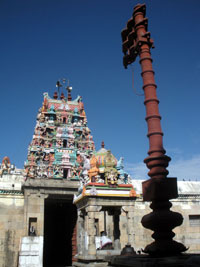
Kannayariamudayar Temple, Thirukkarayil
Kannayariamudayar Temple, Thirukkarayil
The kathas of Kannayariamudayar Temple, Thirukkarayil: Sthala Purana, Folk legend — 2 stories cited to the Puranas, epics, recorded history and living tradition. The place is in Nagapattinam, Tamil Nadu, India. KathaYatra keeps them here in Hindi and English, free to read.
- State
- Tamil Nadu
- District
- Nagapattinam
- Altitude
- 2 m · 7 ft
- Coordinates
- 10.617°N, 79.717°E
Sthala Purana 1
स्थल-पुराणKannayariamudayar Temple, Thirukkarayil — Where Sundarar Pleaded for Grain
कन्नयरिअमुदयार मंदिर, तिरुक्करैयिल् — जहाँ सुंदरर ने अन्न की गुहार लगाई
Tevaram era (7th–8th century CE); temple structure Chola period, 9th century CE
At Thirukaravasal, on the fertile delta soil of the Kaveri basin, Shiva is worshipped as Kannayiranathar Swamy, with his consort Kailasanayaki beside him. Two very different stories are told of why this ground became holy. In one, it is Bheema — mightiest of the five Pandava brothers — who comes here seeking to shed the sin of killing the demon Bakasura, kneeling before the same god his family had prayed to through every ordeal of the Mahabharata. In the other, it is Brahma himself, the creator, who arrives under a curse and shapes a linga out of river sand, hoping that devotion might undo what pride had brought upon him.
But the story local memory holds closest is neither king's nor god's. It belongs to Sundarar, the last of the four great Tevaram saints, a man famous for his frank, almost quarrelsome friendship with Shiva. Tradition says he came to this temple not for philosophy but for a practical mercy — help moving paddy grain to the great shrine at Tiruvarur, a task too heavy for one devotee alone. That a saint could bring so ordinary a need to Shiva's door, and be answered, is why Thirukaravasal earned its place among the 275 Paadal Petra Sthalams, the temples the Nayanars sanctified simply by singing of them.
— as told in the Tevaram of Sundarar and local sthala purana
पढ़ें हिन्दी में
तिरुकारावासल में, कावेरी डेल्टा की उपजाऊ मिट्टी पर, शिव को कण्णयिरनाथर स्वामी के रूप में पूजा जाता है, साथ में उनकी अर्धांगिनी कैलासनायकी विराजमान हैं। इस भूमि के पवित्र होने की दो भिन्न कथाएँ प्रचलित हैं। एक में, पाँच पांडवों में सबसे बलशाली भीम यहाँ बकासुर वध के पाप से मुक्ति माँगने आते हैं, उसी ईश्वर के सामने घुटने टेककर जिनकी आराधना उनके परिवार ने महाभारत के हर संकट में की थी। दूसरी में, स्वयं सृष्टिकर्ता ब्रह्मा एक श्राप के अधीन यहाँ आते हैं और नदी की रेत से एक लिंग गढ़ते हैं, इस आशा में कि भक्ति उस अभिमान को मिटा सके जो उन पर भारी पड़ा था।
पर जो कथा गाँव की स्मृति में सबसे निकट बसी है, वह न किसी राजा की है न किसी देवता की। यह सुंदरर की है — चार महान तेवारम् संतों में अंतिम, जो शिव के साथ अपनी सीधी, लगभग रूठने वाली मित्रता के लिए प्रसिद्ध थे। परंपरा कहती है कि वे यहाँ दर्शन-शास्त्र के लिए नहीं, बल्कि एक व्यावहारिक सहायता के लिए आए थे — तिरुवारूर के महान मंदिर तक धान का अनाज पहुँचाने में मदद, एक ऐसा कार्य जो अकेले भक्त के लिए बहुत भारी था। कि एक संत इतनी साधारण आवश्यकता लेकर शिव के द्वार आ सके, और उसका उत्तर पा सके — यही कारण है कि तिरुकारावासल ने 275 पाडल पेत्र स्थलम् में अपना स्थान पाया, वे मंदिर जिन्हें नायनारों ने केवल गाकर पवित्र किया।
— सुंदरर के तेवारम् एवं स्थानीय स्थलपुराण के अनुसार
Sources
- Sundarar, Tevaram
- Local sthala purana: Bheema's atonement for the killing of Bakasura; Brahma's sand-linga legend
Folk legend 1
लोक-कथाKannayariamudayar Temple, Thirukkarayil — The God Who Danced Like a Rooster
कन्नयारियमुदयार मंदिर, तिरुक्करैयिल — मुर्गे-सा नाचने वाला देवता
living tradition
Chidambaram is not the only place where Shiva is remembered as a dancer, and Kannayariamudayar Temple keeps a version of that dance found nowhere else. It belongs to a group Tamil tradition calls the Saptha Vidangam — seven Nataraja forms, each dancing a different way at seven different shrines, as though one god's rhythm had scattered itself across a whole river delta.
At this temple, tradition holds, the dance the processional bronze performs is Kukunathaanam — literally, "dancing like a cock." Devotees describe the movement as sharp, strutting, and alert, closer to a rooster's proud step than to the flowing grace danced elsewhere. No single legend fully explains why this particular form was given to this particular shrine; it is simply understood, and shown, whenever the bronze is taken out in procession, that here Shiva's rhythm took a shape unlike his six sister-dances.
Locals speak of it matter-of-factly, the way one speaks of a family trait — as if each of the seven temples had simply been born with its own way of moving, and this was ever this village's own.
— as locally told in Thirukkarayil; distinct from the Bheema, Brahma, and Sundarar legends already told of this shrine
पढ़ें हिन्दी में
चिदंबरम् अकेला ऐसा स्थान नहीं जहाँ शिव को नर्तक रूप में स्मरण किया जाता है — कण्णयिरामुदैयार मंदिर उस नृत्य का एक ऐसा रूप सहेजे है जो कहीं और नहीं मिलता। यह तमिल परंपरा में सप्तविडंगम् कहलाने वाले समूह का भाग है — सात नटराज-रूप, सात अलग-अलग मंदिरों में सात भिन्न ढंग से नाचते हुए, मानो एक ही भगवान की लय पूरे नदी-डेल्टा में बिखर गई हो।
इस मंदिर में, परंपरा कहती है, उत्सव-मूर्ति जो नृत्य करती है वह है कुक्कुटनाथनम् — शब्दशः, "मुर्ग़े की तरह नाचना।" भक्त इस गति को तीक्ष्ण, इतराता हुआ और सजग बताते हैं — कहीं और नाचे जाने वाले प्रवाहमय सौंदर्य से अधिक एक मुर्ग़े के गर्वीले कदम के निकट। कोई एक कथा पूरी तरह नहीं बताती कि इस विशेष मंदिर को यह विशेष रूप क्यों मिला; बस यह समझा और दिखाया जाता है, जब भी यह मूर्ति उत्सव में बाहर निकलती है, कि यहाँ शिव की लय अपनी छह बहन-नृत्यों से भिन्न रूप ले चुकी थी।
स्थानीय लोग इसे उसी सहजता से बताते हैं जैसे कोई पारिवारिक विशेषता बताई जाती है — मानो सातों मंदिर अपनी-अपनी चाल लेकर ही जन्मे हों, और यह सदा से इसी गाँव की अपनी चाल रही हो।
— तिरुक्करावासल की स्थानीय परंपरा के अनुसार; इस मंदिर की भीम, ब्रह्मा और सुंदरर कथाओं से भिन्न
Sources
- Local tradition — Saptha Vidangam group of seven Nataraja dance-forms; the processional deity here performs Kukunathaanam, 'dancing like a cock'
Keep reading
Paadal Petra Sthalam circuit
- 108 Divya desams
- Aakkoor Thanthondreeswarar Temple
- Aavoor Pasupatheeswaram temple
- Abirameswarar temple
- Achalpuram Shivalokathyagar Temple
- Adhi Ratneswarar Temple
- Adi Kumbeswarar Temple
- Agastheeswarar Temple