Place · Palnadu, Andhra Pradesh, India
Amararama
अमरारामम
The kathas of Amararama: Scripture, Folk legend — 2 stories cited to the Puranas, epics, recorded history and living tradition. The place is in Palnadu, Andhra Pradesh, India. KathaYatra keeps them here in Hindi and English, free to read.
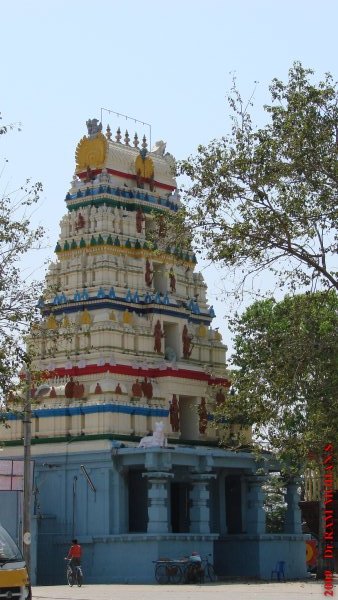
- State
- Andhra Pradesh
- District
- Palnadu
- Altitude
- 35 m · 115 ft
- Coordinates
- 16.581°N, 80.359°E
Scripture 1
शास्त्रAmararama — The Broken Body of a Demon's God
अमरारामम — एक असुर के देव का खंडित शरीर
puranic
The demon Tarakasura had won something no ordinary boon could grant: an atmalinga, a Shivalinga charged with the god's own living power, worn always upon his body. As long as it stayed whole and stayed with him, no weapon in heaven or earth could touch him. Drunk on that certainty, he turned his strength against the very devas who had once feared to oppose him, and heaven itself came under siege.
The gods knew, as tradition tells, that only a son born of Shiva could end this — and so Kartikeya was born for exactly this purpose, raised swiftly to manhood by the six Krittika mothers, armed with the Vel, his radiant spear. Tarakasura met him on the battlefield still wearing his invincible linga, certain of his own survival.
Kartikeya's spear did not merely strike the demon down — it shattered the atmalinga itself, breaking it into five glowing fragments that scattered across the land as Tarakasura fell. Where each piece touched earth, tradition says, the devas themselves gathered to consecrate it, unwilling to let even a demon's talisman go unworshipped once it bore Shiva's own charge. This is why the site is called Amararama — the amaras, the immortals, made their resting ground here. Four sister shrines hold the other fragments: Draksharama, Ksheerarama, Somarama, and Kumararama, together the five Pancharama Kshetras, one shattered linga worshipped as five.
— as told in the Pancharama Kshetra sthala-purana tradition
पढ़ें हिन्दी में
राक्षस तारकासुर ने ऐसा वरदान पाया था जो कोई साधारण तप नहीं दिला सकता — एक आत्मलिंग, जिसमें स्वयं शिव की जीवंत शक्ति समाई थी, और जिसे वह सदा अपने शरीर पर धारण किए रहता। जब तक वह लिंग अखंडित रहता और उसके पास रहता, त्रिलोक में कोई अस्त्र उसे छू नहीं सकता था। इसी निश्चिंतता में उसने अपनी शक्ति उन्हीं देवताओं के विरुद्ध मोड़ दी जो कभी उससे भिड़ने से डरते थे, और स्वर्ग स्वयं संकट में पड़ गया।
परंपरा कहती है कि देवगण जानते थे — इसका अंत केवल शिव के पुत्र के हाथों संभव है — और इसी उद्देश्य से कार्तिकेय का जन्म हुआ, छह कृत्तिका माताओं द्वारा शीघ्र ही युवावस्था तक पालित, हाथ में तेजस्वी वेल लिए। तारकासुर रणभूमि में उतरा, अपना अभेद्य लिंग धारण किए, अपनी अजेयता पर पूर्ण विश्वास लिए।
कार्तिकेय का वेल केवल राक्षस पर नहीं गिरा — उसने आत्मलिंग को भी चूर-चूर कर दिया, जो पाँच दीप्तिमान खंडों में बिखरकर धरती पर जा गिरा, जिस क्षण तारकासुर धराशायी हुआ। कथा कहती है कि जहाँ-जहाँ प्रत्येक खंड गिरा, वहाँ स्वयं देवगण एकत्र हुए और उसकी प्रतिष्ठा की — क्योंकि शिव की शक्ति से भरा वह टुकड़ा, चाहे एक राक्षस का ही क्यों न रहा हो, अपूजित नहीं रह सकता था। इसीलिए इस स्थान का नाम पड़ा अमरारामम् — अमरों का विश्राम-स्थल। शेष चार खंड चार बहन-मंदिरों में प्रतिष्ठित हैं — द्राक्षाराम, क्षीराराम, सोमाराम और कुमाराराम — पाँचों मिलकर पंचारामक्षेत्र कहलाते हैं, एक ही टूटा हुआ लिंग, पाँच रूपों में पूजित।
— पंचारामक्षेत्र स्थलपुराण परंपरा के अनुसार
Sources
- Pancharama Kshetra sthala-purana tradition
- Skanda Purana, Tarakasura-Kartikeya episode
Folk legend 1
लोक-कथाAmararama — The Nail That Stopped the Linga Growing
अमरारामम — वह कील जिसने लिंग की बढ़त रोकी
living tradition (visible mark cited as evidence)
The Purana tells how this linga came to be — a fragment of a shattered atmalinga, consecrated by the immortals. What local tradition adds is what almost happened to it afterward.
It is said the linga did not simply settle into stillness once it was installed. Left to itself, it kept growing — rising, year after year, as though the power sealed within it from Tarakasura's shattered charm had not finished expressing itself. Alarmed, so the story goes, someone — the devas themselves, in some tellings, or the sages who kept the shrine — drove an iron nail into its crown to hold the growth in check, fixing the linga at the height it holds today.
The nail is gone, but what is not gone, pilgrims are told, is the mark it left: a reddish stain at the top of the linga, said by some to be blood that seeped out where the iron pierced it. Visitors are shown this mark even now and told to look closely — proof, in the temple's own telling, that Amararama's linga is not simply carved stone shaped once and left, but something that had to be stopped, deliberately, from continuing to become more than it already was.
— as locally told at the Amaralingeswara Temple, Amaravati
पढ़ें हिन्दी में
पुराण बताता है कि यह लिंग कैसे बना — टूटे हुए आत्मलिंग का एक अंश, अमरों द्वारा प्रतिष्ठित। स्थानीय परंपरा यह जोड़ती है कि प्रतिष्ठा के बाद इस लिंग के साथ लगभग क्या हो गया था।
कहते हैं, स्थापना के बाद लिंग यूँ ही शांत होकर नहीं बैठ गया। उसे यूँ ही छोड़ दिया जाता तो वह बढ़ता ही रहता — वर्ष-दर-वर्ष ऊँचा उठता, मानो तारकासुर के टूटे हुए आत्मलिंग में समाई शक्ति अभी भी पूरी तरह प्रकट नहीं हुई थी। कथा कहती है कि इससे चिंतित होकर — किसी वृत्तांत में स्वयं देवगण, किसी में मंदिर के रखवाले ऋषि — किसी ने लिंग के शिखर में एक लोहे की कील ठोक दी, ताकि उसकी वृद्धि रुक जाए, और लिंग आज जिस ऊँचाई पर है, वहीं स्थिर हो गया।
कील अब नहीं है, पर जो नहीं मिटा, वह है उसका चिह्न — यात्रियों को बताया जाता है कि लिंग के शिखर पर आज भी एक लाल आभा वाला दाग़ है, जिसे कुछ लोग कील के प्रवेश से रिसा हुआ रक्त मानते हैं। यह चिह्न आज भी दिखाया जाता है, और ध्यान से देखने को कहा जाता है — मंदिर की अपनी मान्यता में यही प्रमाण है कि अमरारामम् का लिंग केवल एक बार तराशा गया पत्थर नहीं, बल्कि कुछ ऐसा है जिसे जान-बूझकर रोकना पड़ा, और वह भी उस समय जब वह जितना था उससे कहीं अधिक बनता जा रहा था।
— अमरावती के अमरलिंगेश्वर मंदिर की स्थानीय परंपरा के अनुसार
Sources
- Amaravati temple local tradition — the growing linga pinned with an iron nail, red mark at the crown