स्थल · तमिलनाडु, भारत
Thirukoteeswarar Temple
Thirukoteeswarar Temple
Thirukoteeswarar Temple की कथाएँ: स्थल-पुराण, लोक-कथा — कुल 2 कथाएँ, पुराणों, महाकाव्यों, इतिहास और जीवित लोक-परंपरा से स्रोत-सहित। यह स्थल तमिलनाडु, भारत में है। कथायात्रा इन्हें हिन्दी और अंग्रेज़ी दोनों में निःशुल्क प्रस्तुत करता है।
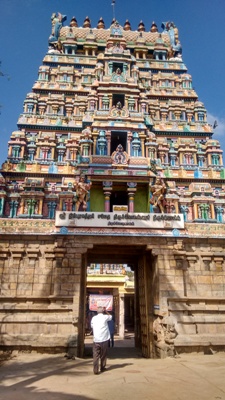
- राज्य
- तमिलनाडु
- ज़िला
- Thanjavur
- ऊँचाई
- 22 मी · 72 फुट
- निर्देशांक
- 11.050°N, 79.513°E
स्थल-पुराण 1
Sthala Puranaतिरुकोटीश्वरर मंदिर — कावेरी तट पर एक रानी का उपहार
Thirukoteeswarar Temple — A Queen's Gift on the Kaveri's Bank
Tevaram era (7th century CE, per Appar and Sambandar); earliest inscriptions 750 CE (Pallava), rebuilt c. 979 CE
हर पवित्र स्थल किसी असुर या शाप की कथा में लिपटा नहीं होता; कुछ केवल निरंतर भक्ति के भार से पवित्र माने जाते हैं, शताब्दियों में पत्थर-दर-पत्थर अंकित। कावेरी के उत्तरी तट पर तिरुकोडिकावल में स्थित तिरुकोटीश्वरर एक ऐसा ही स्थान है। इसके सबसे पुराने जीवित अभिलेख 750 ईस्वी के हैं, पल्लव काल के, जो तब भी एक दीर्घकाल से स्थापित मंदिर की बात करते हैं। लगभग 979 ईस्वी में वर्तमान मंदिर का निर्माण सेम्बियन महादेवी ने किया, जो चोल राजा उत्तम चोल की माता और तमिल इतिहास की सबसे प्रबल मंदिर-संरक्षिकाओं में से एक थीं, जबकि गंडरादित्य प्रथम के शासनकाल का एक पूर्ववर्ती अभिलेख विशेष रूप से मंदिर अनुष्ठानों हेतु कावेरी से जल लाने के लिए भूमि-अनुदान दर्ज करता है।
यहाँ शिव तिरुकोटीश्वरर के रूप में पूजित हैं, उनकी अर्धांगिनी वडिवांबिगै के रूप में, और परिसर में विनायग, मुरुग तथा अन्य देवताओं के गौण मंदिर भी हैं। सातवीं शताब्दी के नायनार अप्पर और संबंदर दोनों ने इस मंदिर की स्तुति में गान किया, और यह भी स्मरण किया जाता है कि विद्वान-संत भास्कराराय ने कभी यहाँ यात्रा की थी। यहाँ तीर्थयात्री को आकर्षित करने वाली कोई एक नाटकीय उत्पत्ति-कथा नहीं, बल्कि तेरह शताब्दियों की अखंड राजकीय एवं जन-भक्ति है, जो सीधे मंदिर के अपने पाषाण में उकेरी गई है।
— अप्पर और संबंदर के तेवारम् तथा मंदिर अभिलेखों के अनुसार
Read in English
Not every sacred site comes wrapped in a legend of demons or curses; some are held sacred simply by the weight of continuous devotion, inscribed stone after stone across centuries. Thirukoteeswarar, on the Kaveri's northern bank at Thirukodikaval, is such a place. Its earliest surviving inscriptions date to 750 CE, from the Pallava period, already speaking of a shrine long established. Around 979 CE the temple as it now stands was raised by Sembiyan Mahadevi, mother of the Chola king Uttama Chola and one of the most prolific temple patrons in Tamil history, while an earlier inscription from the reign of Gandaraditya I records a grant of land specifically to fund the drawing of water from the Kaveri for temple rituals.
Here Shiva is worshipped as Thirukoteeswarar, his consort as Vadivambigai, with subsidiary shrines to Vinayaga, Muruga, and other deities gathered within the complex. The seventh-century Nayanars Appar and Sambandar both sang in praise of this temple, and it is remembered too that the scholar-saint Bhaskararaya once visited. What draws a pilgrim here is not one dramatic origin story but thirteen centuries of unbroken royal and popular devotion, etched directly into the temple's own stone.
— as told in the Tevaram of Appar and Sambandar, and temple inscriptions
स्रोत
- Appar and Sambandar, Tevaram
- Temple inscriptions of Sembiyan Mahadevi and Gandaraditya I
लोक-कथा 1
Folk legendतिरुकोटीश्वर — वह अनुदान जो आज भी जल पहुंचाता है
Thirukoteeswarar — The Grant That Still Carries Water
living tradition
तिरुकोटीश्वरर के पास शताब्दियों से चली आई कोई एक नाटकीय उत्पत्ति-कथा नहीं है — न कोई असुर, न कोई शाप, न इस भूमि पर देखा गया कोई विवाह। इसके बदले जो यह धारण करता है, परंपरा और अभिलेख दोनों सहमत हैं, वह कुछ अधिक शांत है — जल को लेकर किया गया एक वचन, जो अधिकांश वचनों से कहीं अधिक समय तक निभाया गया।
गंडरादित्य प्रथम के शासनकाल का एक अभिलेख विशेष रूप से मंदिर के अनुष्ठानों हेतु कावेरी से जल लाने के लिए किए गए भूमि-अनुदान को दर्ज करता है — भक्ति का एक असामान्य रूप से व्यावहारिक रूप, जो स्वर्ण या उत्सव के लिए नहीं, बल्कि भगवान तक नदी का जल पहुँचाने के सीधे दैनिक कार्य के लिए दिया गया। स्थानीय रूप से कहा जाता है कि यही अनुदान इसका कारण है कि मंदिर के अनुष्ठान स्मृति में कभी भी कावेरी के जल के बिना नहीं रहे, उन वर्षों में भी नहीं जब नदी अन्यत्र अपने मार्ग में क्षीण हो चली।
यहाँ बताने के लिए कोई भव्य कथा नहीं है, और किसी का दावा भी नहीं किया जाता। तिरुकोडिकावल में तेरह शताब्दियों की निरंतर भक्ति ने जो पीछे छोड़ा, वह किसी कथा से अधिक एक आदत के निकट है — जल के आज भी पहुँचते रहने का शांत, अटूट तथ्य, ठीक वैसे जैसा एक पुराने राजा के अनुदान ने कभी वचन दिया था।
— तिरुकोडिकावल के गंडरादित्य प्रथम अभिलेख की स्थानीय व्याख्या
Read in English
Thirukoteeswarar has no single dramatic origin story carried down through the centuries — no demon, no curse, no wedding witnessed on this ground. What it carries instead, tradition and inscription agree, is something quieter: a promise about water, kept far longer than most promises survive.
An inscription from the reign of Gandaraditya I records a grant of land made specifically to fund the drawing of water from the Kaveri for the temple's own rituals — an unusually practical kind of devotion, endowed not for gold or festival but for the plain daily task of bringing river water to the god. Locally, it is said that this endowment is why the temple's rites have never once, in memory, gone without the Kaveri's water reaching the sanctum, even in years the river itself has run thin elsewhere along its course.
There is no grander legend to offer here, and none is claimed. What thirteen centuries of continuous devotion left behind at Thirukodikaval is closer to habit than to myth — the quiet, unbroken fact of water still arriving, exactly as an old king's grant once promised it would.
— local reading of the Gandaraditya I inscription at Thirukodikaval
स्रोत
- No distinct second legend documented in available sources; inscriptional grant of Gandaraditya I funding the drawing of Kaveri water for temple rituals — Wikipedia, Thirukoteeswarar Temple, Kudavasal
आगे पढ़ें
पादल पेट्रा स्थलम परिपथ
- दिव्य देशम
- अक्कूर थान्थोंडेश्वरसर मंदिर
- Aavoor Pasupatheeswaram temple
- Abirameswarar temple
- Achalpuram Shivalokathyagar Temple
- Adhi Ratneswarar Temple
- Adi Kumbeswarar Temple
- Agastheeswarar Temple