स्थल · उत्तराखंड, भारत
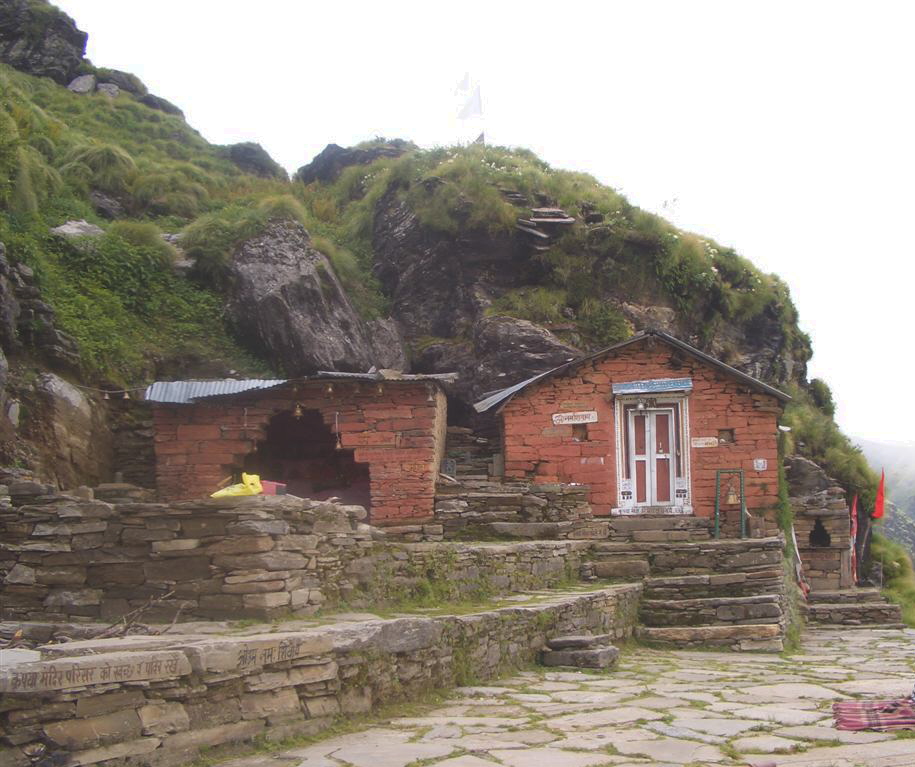
रुद्रनाथ मन्दिर
Rudranath
रुद्रनाथ मन्दिर की कथाएँ: शास्त्र, लोक-कथा — कुल 2 कथाएँ, पुराणों, महाकाव्यों, इतिहास और जीवित लोक-परंपरा से स्रोत-सहित। यह स्थल उत्तराखंड, भारत में है। कथायात्रा इन्हें हिन्दी और अंग्रेज़ी दोनों में निःशुल्क प्रस्तुत करता है।
- राज्य
- उत्तराखंड
- ज़िला
- Chamoli
- ऊँचाई
- 3,428 मी · 11,247 फुट
- निर्देशांक
- 30.533°N, 79.333°E
शास्त्र 1
Scriptureरुद्रनाथ मन्दिर — वह मुख जो सहज नहीं मिलता
Rudranath — The Face That Would Not Come Easily
puranic
जब भीम ने गुप्तकाशी के ऊपर उस घाटी में बैलरूपी शिव को पकड़ा, परंपरा कहती है कि भगवान क्षमा दिए बिना धरती में समा गए — क्रूरता से नहीं, बल्कि इसलिए कि स्वजन-हत्या जैसा पाप एक ही स्थान के एक कृत्य से नहीं धुलता। इसलिए प्रभु स्वयं बिखर गए।
जहाँ ककुद शेष रहा, वहाँ केदारनाथ बना। पर रुद्रनाथ में — बुरांश और धूप के घने वन में, जहाँ पहुँचने को यात्री को दिनों चलना पड़ता है — वहाँ शिव का मुख शिला से प्रकट हुआ। स्कन्द पुराण का केदार खण्ड इसे पाँच सच्चे प्राकट्यों में गिनता है, इस रूप को मुख्य शिव या रुद्रनाथ कहता है — भगवान का वह उग्र मुख, जो क्षमा सहज नहीं देता, बल्कि उसका मूल्य सिखाता है।
मैदानों के बने मंदिरों के विपरीत, रुद्रनाथ को वैसे ही पूजा जाता है जैसे वह मिला — बिना किसी शिल्पी के गढ़े, प्राकृतिक शिला-मुख के रूप में, और मंदिर केवल उसे ढकने भर को बना है। जो यात्री यहाँ तक पैदल पहुँचते हैं, वे कहते हैं कि दूरी स्वयं भेंट का अंग है — रुद्रनाथ उन्हें दर्शन नहीं देता जो उस दर्शन को अर्जित करने को तैयार न हों।
— स्कन्द पुराण (केदार खण्ड) एवं पंच केदार परंपरा के अनुसार
Read in English
When Bhima seized the bull-formed Shiva in the gorge above Guptkashi, tradition says the god chose to vanish into the earth rather than grant the Pandavas the forgiveness they came seeking — not out of cruelty, but because a wound like theirs, kin killing kin, could not be absolved by a single act in a single place. So the Lord scattered.
Where the hump remained, Kedarnath rose. But it is at Rudranath, deep in a forest of rhododendron and juniper that pilgrims must walk days to reach, that Shiva's face broke the surface of the stone. The Skanda Purana's Kedara Khanda numbers this among the five true manifestations, calling the form here Mukhya Shiva or Rudranath — the fierce face of the god who does not simply forgive but teaches the labor forgiveness costs.
Unlike the built shrines of the plains, Rudranath is worshipped as it was found: a natural stone face, unshaped by any mason, set inside a temple raised only to shelter what the mountain had already revealed. Pilgrims who complete the walk here say the distance itself is part of the offering — that Rudranath does not appear to those unwilling to earn the sight of it.
— as told in the Skanda Purana (Kedara Khanda) and Panch Kedar tradition
स्रोत
- Skanda Purana, Kedara Khanda
- Shiva Purana, Kotirudra Samhita
लोक-कथा 1
Folk legendरुद्रनाथ मन्दिर — वे तलवारें जो पर्वत ने सहेज रखीं
Rudranath Temple — The Swords the Mountain Kept
living pilgrim/trek tradition (Mahabharata-linked)
स्कन्द पुराण बताता है कि शिव का मुख रुद्रनाथ में क्यों प्रकट हुआ। पर यह मार्ग स्वयं एक और, शांत किस्म का प्रमाण सिखाता है।
मंदिर पहुँचने से दिनों पहले, यह पथ एक छोटी पर्वतीय झील नंदीकुंड से होकर गुज़रता है, जहाँ जल के किनारे पुरानी लोहे की तलवारें शिला से बाहर निकली मानी जाती हैं — लोक-स्मृति में यह वही तलवारें हैं जो पांडवों ने अपने दीर्घ तप-यात्रा के दौरान इन्हीं पहाड़ों में छोड़ी थीं। यात्री वहाँ रुककर उन्हें स्पर्श करते हैं, फिर आगे बढ़ते हैं।
और रुद्रनाथ में, अपने पूर्वजों का शोक ढो रहे परिवारों से कहा जाता है — यहाँ किया गया पिंडदान उतना ही फलदायी माना जाता है जितना गया में की गई दस करोड़ पिंडदान। कोई नहीं जानता यह मान्यता कब शुरू हुई — यह बस मार्ग के साथ चलती है, बुरांश के जंगल के बीच किसी बुज़ुर्ग यात्री से किसी युवा यात्री तक पहुँचती हुई। कुछ परिवार यही कठिन, ऊँचा मार्ग इसीलिए चुनते हैं — अपने मृतकों को इतनी दूर इसलिए ले आते हैं ताकि हिसाब अधूरा न रह जाए।
— चमोली के रुद्रनाथ मार्ग पर यात्रियों की परंपरा के अनुसार; पंच केदार कथा स्कन्द पुराण में वर्णित
Read in English
The Skanda Purana explains why Shiva's face surfaced here at Rudranath. What the trail itself teaches is a different, quieter kind of proof.
Days before pilgrims reach the temple, the path crosses a small alpine lake called Nandikund, where old iron blades are said to jut from the rock at the water's edge — believed, in local memory, to be swords left behind by the Pandavas themselves during their long penance walk through these mountains. Pilgrims pause there, some touching the exposed metal, before continuing on.
And at Rudranath, families carrying grief for the dead are told something else: that a pind daan offered here for one's ancestors counts, in merit, for a hundred million offered at Gaya — the plains city built entirely around that rite. No one claims to know when this belief began; it simply travels with the walk, passed from an elder pilgrim to a younger one somewhere on the trail through rhododendron forest. Some families choose this harder, higher journey for exactly that reason, carrying their dead this far so that the reckoning is not left half done.
— as told among pilgrims on the Rudranath trekking route, Chamoli; the Panch Kedar tradition as recorded in the Skanda Purana
स्रोत
- Nandikund swords, believed to be relics of the Pandavas, on the Rudranath trekking route (Wikipedia: Rudranath)
- Pind daan at Rudranath believed equal to a crore offerings at Gaya