स्थल · तमिलनाडु, भारत
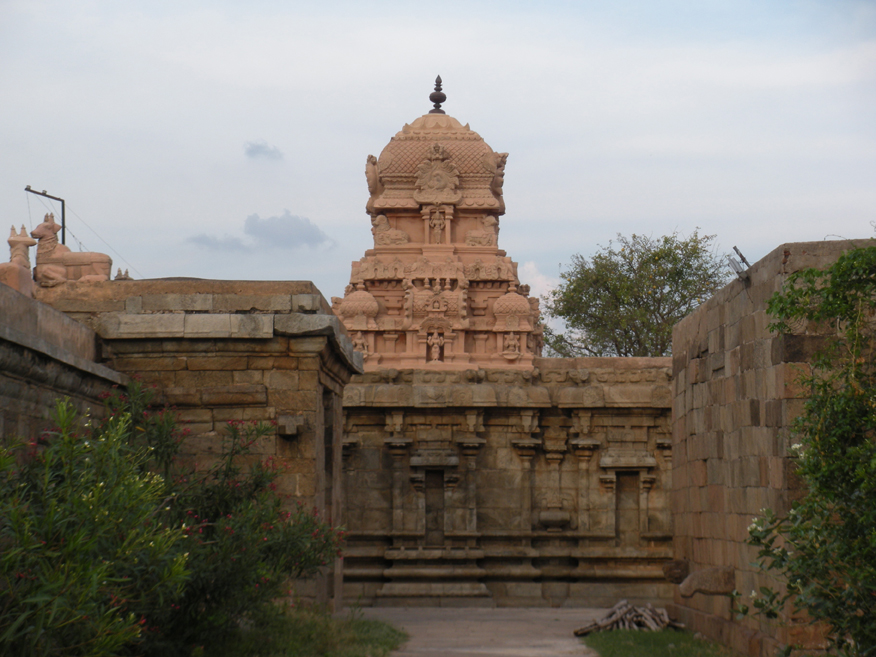
Erumbeeswarar Temple
Erumbeeswarar Temple
Erumbeeswarar Temple की कथाएँ: स्थल-पुराण, लोक-कथा — कुल 2 कथाएँ, पुराणों, महाकाव्यों, इतिहास और जीवित लोक-परंपरा से स्रोत-सहित। यह स्थल तमिलनाडु, भारत में है। कथायात्रा इन्हें हिन्दी और अंग्रेज़ी दोनों में निःशुल्क प्रस्तुत करता है।
- राज्य
- तमिलनाडु
- ज़िला
- Tiruchirappalli
- ऊँचाई
- 81 मी · 266 फुट
- निर्देशांक
- 10.793°N, 78.767°E
स्थल-पुराण 1
Sthala Puranaतिरुवेरुम्बूर — जब देवता उन्हें पाने को चींटियाँ बन गए
Thiruverumbur — When the Gods Became Ants to Reach Him
puranic
कुछ देवता इतने छोटे भी हो सकते हैं कि वहाँ चढ़ सकें जहाँ भक्ति और किसी तरह न पहुँच पाती — यह उसी दिन की कथा है जब उन्होंने जान-बूझकर स्वयं को उतना छोटा बनाया।
असुर तारुकासुरन ने स्वर्ग और पृथ्वी दोनों जीत लिए थे, और देवगण, अपने ही सदनों से खदेड़े जाकर, शिव के अतिरिक्त कहीं और मुड़ने की स्थिति में नहीं थे। ब्रह्मा ने उन्हें स्पष्ट कहा — तिरुवेरुम्बूर जाओ, और वहाँ उनकी पूजा करो। सो वे गए — पर जो लिंग उन्हें मिला वह इतना चिकना था, इतना निराधार, कि कोई देवता अपने विशाल रूप में उस पर चढ़कर शीर्ष तक अर्घ्य नहीं पहुँचा सकता था। इतने महान होते हुए भी देवगण उस एक तरीके से पूजा करने के लिए पास नहीं पहुँच पा रहे थे जो सबसे ज़रूरी था।
सो उन्होंने स्वयं को छोटा बना लिया। शिव की खोज में आया हर देवता चींटी — एरुम्बु — का रूप धारण कर बैठा, इतना छोटा कि उस पत्थर पर भी पैर जमा सके जिसने उन्हें पूरे आकार में नकार दिया था। और शिव ने, देवताओं की एक सेना को अपने लिए कीड़ों में बदलते देखकर, उन्हें अकेले संघर्ष करते नहीं छोड़ा। वे आधे रास्ते मिलने आए। वे स्वयं वैसे ही खुरदुरे, चढ़ने-योग्य पत्थर की एक पहाड़ी बन गए जैसी चींटियों की बाँबी होती है, और अपने ही सिर को इतना झुका लिया कि चींटी-रूपी देवगण अंततः उन पर चढ़कर वह पूजा पूरी कर सकें जिसके लिए वे स्वर्ग और पृथ्वी पार करके आए थे।
इसीलिए इस स्थान के देवता एरुम्बीश्वर कहलाते हैं — चींटियों के स्वामी — और नगर एरुम्बियूर। दो और मंदिर इसी अवतरण को याद रखते हैं, विरिंजीपुरम और तिरुप्पानंदल में, पर यहीं अप्पर ने सातवीं शताब्दी में इसकी नौ स्तुतियाँ गाईं, और यहीं बाद में माणिक्यवाचगर ने अपनी प्रशंसा जोड़ी। और यहीं, बाद में, यह मंदिर वह एकमात्र मंदिर बना रहा जिसे आक्रमणकारी सेनापति मलिक काफ़ूर नहीं जीत सका — मानो जो भगवान कभी चींटियों को खोजने योग्य बनने के लिए इतना छोटा हुआ था, वही आवश्यकता पड़ने पर इतना गहरा जड़ जमाए हुए भी था कि कोई उसे हिला न सके।
— स्थानीय स्थल-पुराण परंपरा, अप्पर के तेवारम स्तोत्रों एवं माणिक्यवाचगर के तिरुवासगम के अनुसार
Read in English
There are gods small enough to climb what devotion could not otherwise reach, and this is the story of the day they became that small on purpose.
The demon Tharukasuran had taken both heaven and earth, and the devas, driven from their own halls, had nowhere left to turn but toward Shiva. Brahma told them plainly: go to Thiruverumbur, and worship him there. So they went — but the linga they found was sheer, its surface offering no purchase, nothing a god in his own vast form could climb to reach the crown and pour an offering over it. Grand as they were, the devas could not get close enough to worship in the one way that mattered most.
So they made themselves smaller. Every deva who had come, seeking Shiva, took the shape of an ant — erumbu — small enough to find footing on stone that had refused them at full size. And Shiva, seeing an army of gods reduced to insects for his sake, did not leave them to struggle up alone. He met them halfway. He became, himself, a hill of the same rough, climbable stone as an anthill, and let his own head slope low enough that the ant-formed devas could finally climb him and complete the worship they had crossed heaven and earth to offer.
That is why the god of this place is Erumbeeswarar — lord of the ants — and the town Erumbiyur. Two other shrines remember this same descent, at Virinjipuram and Thiruppanandal, but it is here that Appar sang nine verses of it in the seventh century, and here that Manickavasagar later added his own praise. And it is here, later still, that the temple stood as the one shrine the invading general Malik Kafur could not take — as though a god who once made himself small enough to be found by ants had also made himself, when it mattered, too deeply rooted to be moved by anyone at all.
— as told in the local sthala purana tradition, the Tevaram hymns of Appar, and the Thiruvasakam of Manickavasagar
स्रोत
- Local sthala purana — Tharukasuran and the devas as ants
- Tevaram — Fifth Tirumurai of Appar, 9 verses on 'Erumbiyur'
- Thiruvasakam of Manickavasagar
लोक-कथा 1
Folk legendएरुम्बीश्वरर मंदिर — श्रद्धालु आज भी नंगे पाँव क्यों चलते हैं
Erumbeeswarar Temple — Why the Faithful Still Walk Barefoot
local/living tradition
चींटियाँ और अपना सिर झुकाते देवता — ये बताते हैं कि यह पहाड़ी पवित्र क्यों है। पर जो रीत इस स्मृति को शब्दशः चलता रखती है, वह हर पूर्णिमा को होती है — जब हज़ारों यात्री पहाड़ी की परिक्रमा पैदल करते हैं, नंगे पाँव, उसके चारों ओर बने मार्ग पर।
परंपरा इस परिक्रमा को देवताओं के उस कार्य की अपनी छोटी प्रतिध्वनि मानती है — जैसे उन्होंने स्वयं को इतना छोटा, इतना विनम्र बनाया कि उस देवता तक पहुँच सकें जिसे अन्यथा वे छू नहीं सकते थे, वैसे ही आज नंगे-पाँव यात्री जूते त्यागता है, सुविधा त्यागता है, उसी पत्थर की परिक्रमा करने को जिस पर कभी चींटियाँ चढ़ी थीं। कोई यह दावा नहीं करता कि यह चाल उस कथा को ठीक-ठीक दोहराती है — बस इतना कि जूते, आकार की भाँति, एक और चीज़ हैं जिसे भक्ति कभी-कभी त्यागने को कहती है।
लगभग दो किलोमीटर बाद जब परिक्रमा पूरी होती है, अधिकांश यात्री कहते हैं कि धरती ने स्वयं उन्हें कुछ सिखा दिया जो अकेली कथा नहीं सिखा सकती थी — कि इस देवता तक पहुँचना कभी बल का विषय नहीं था, बस उस राह चलने की इच्छा का था जिस राह छोटी वस्तुएँ चलती हैं।
— तिरुवेरुम्बूर की स्थानीय परंपरा के अनुसार; स्थानीय परंपरा
Read in English
The ants and the god who lowered his head explain why this hill is sacred. But the custom that keeps the memory walking, quite literally, happens every full moon — when tens of thousands of pilgrims circle the hill on foot, barefoot, along the path built around it.
Tradition holds this walk as its own small echo of what the devas once did: just as they made themselves small enough, humble enough, to reach a god they could not otherwise touch, the barefoot pilgrim today gives up sandals, gives up ease, to circle the same stone the ants once climbed. No one claims the walk repeats the myth exactly — only that shoes, like size, are one more thing devotion is sometimes asked to set aside.
By the time the circuit closes, near two kilometers later, most pilgrims say the ground itself has taught them something the story alone could not: that reaching this god was never about strength, only about being willing to go the way small things go.
— as locally practiced at Thiruverumbur; local tradition
स्रोत
- Wikipedia, Erumbeeswarar Temple — Girivalam, full-moon barefoot circumambulation of the hill
- local tradition
आगे पढ़ें
पादल पेट्रा स्थलम परिपथ
- दिव्य देशम
- अक्कूर थान्थोंडेश्वरसर मंदिर
- Aavoor Pasupatheeswaram temple
- Abirameswarar temple
- Achalpuram Shivalokathyagar Temple
- Adhi Ratneswarar Temple
- Adi Kumbeswarar Temple
- Agastheeswarar Temple